MicroZoom synthesizes gigapixel-resolution images grounded in consumer-grade microscope close-ups at magnification levels up to 350×.
Skip to: [Abstract] [Results] [Method] [Comparison]
Best viewed on a large screen • Scroll / pinch to zoom • Drag to pan • Highlighted regions have gone through super-resolution • Image may take a few seconds to load after zooming
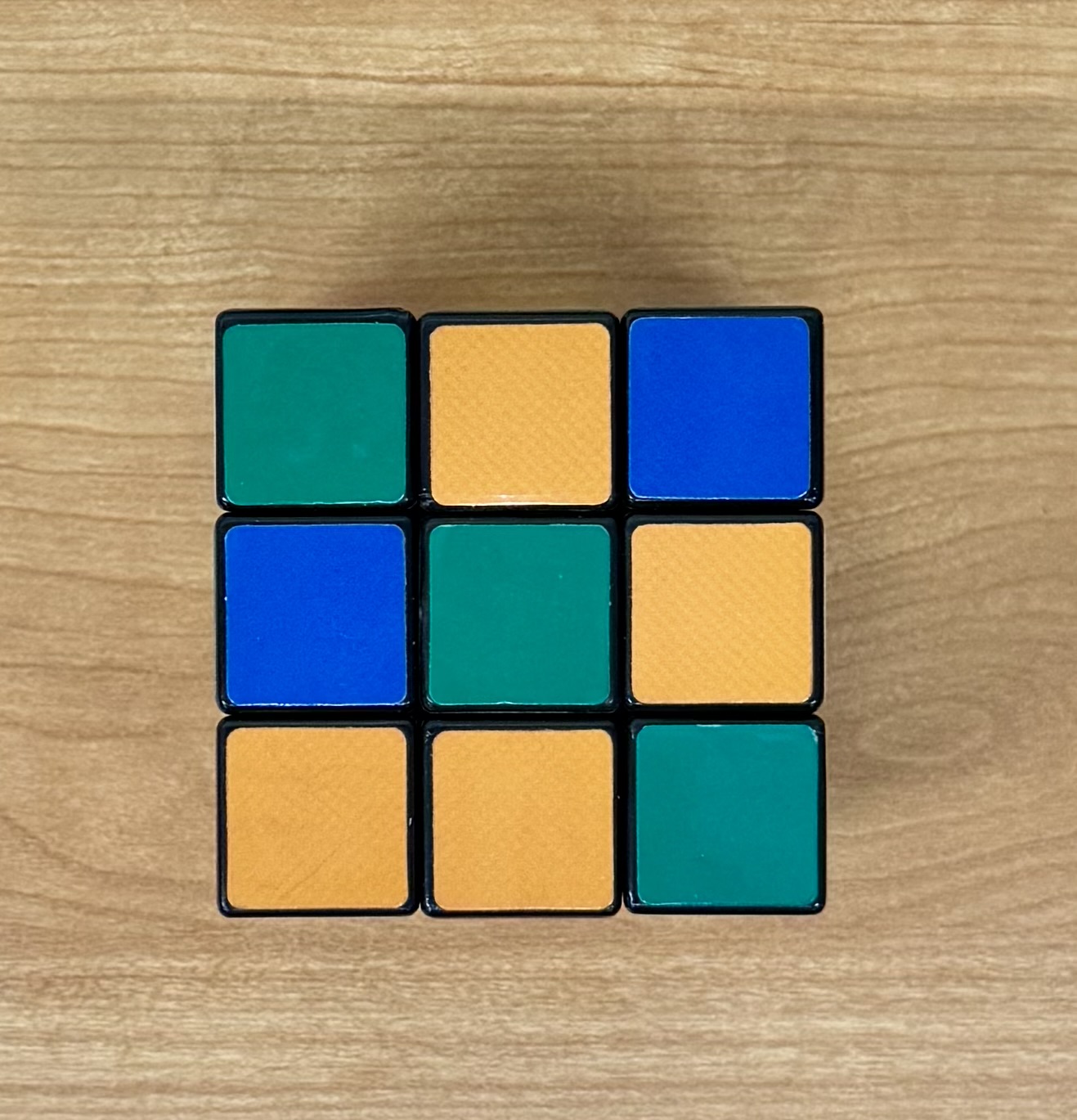
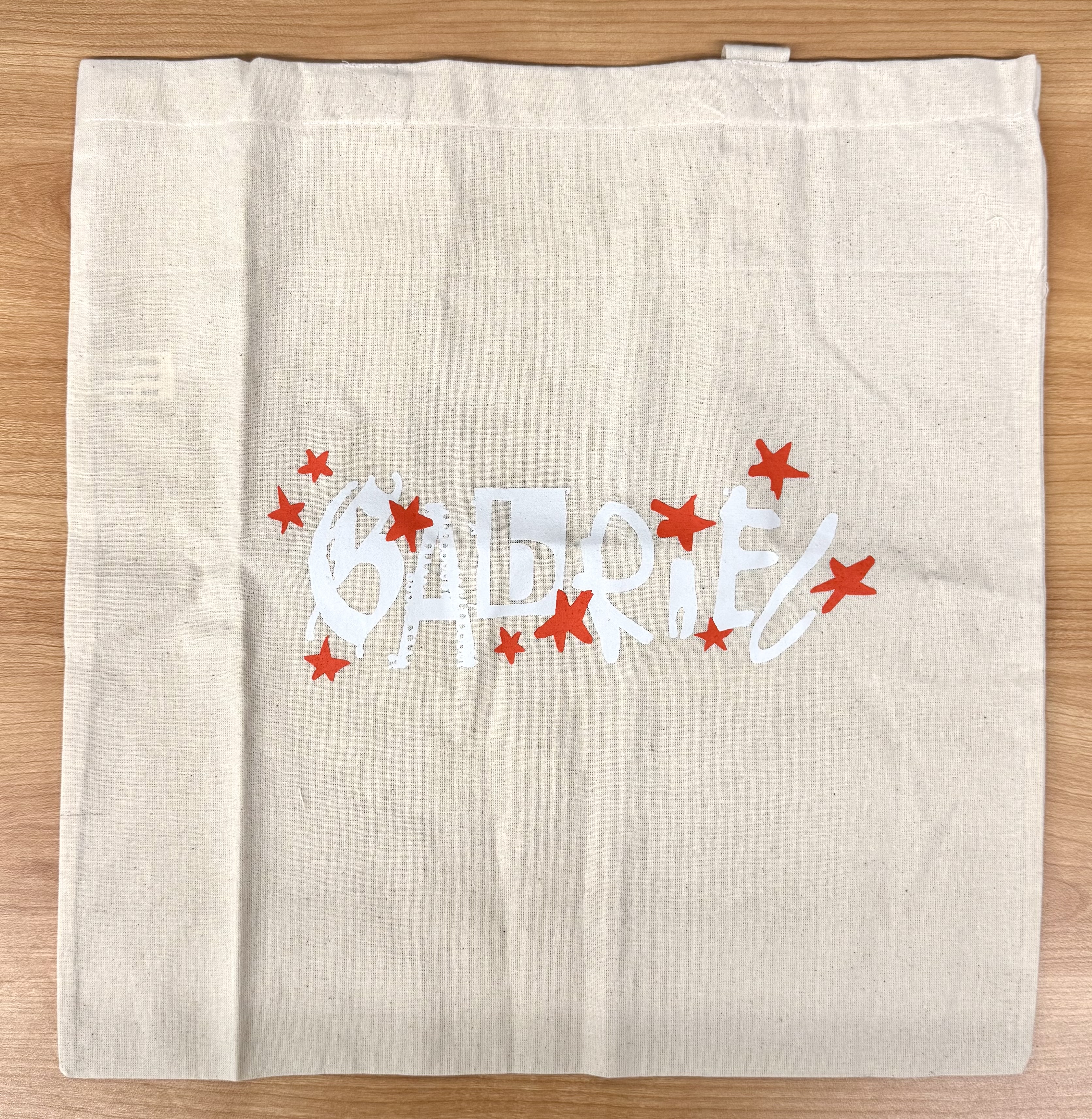
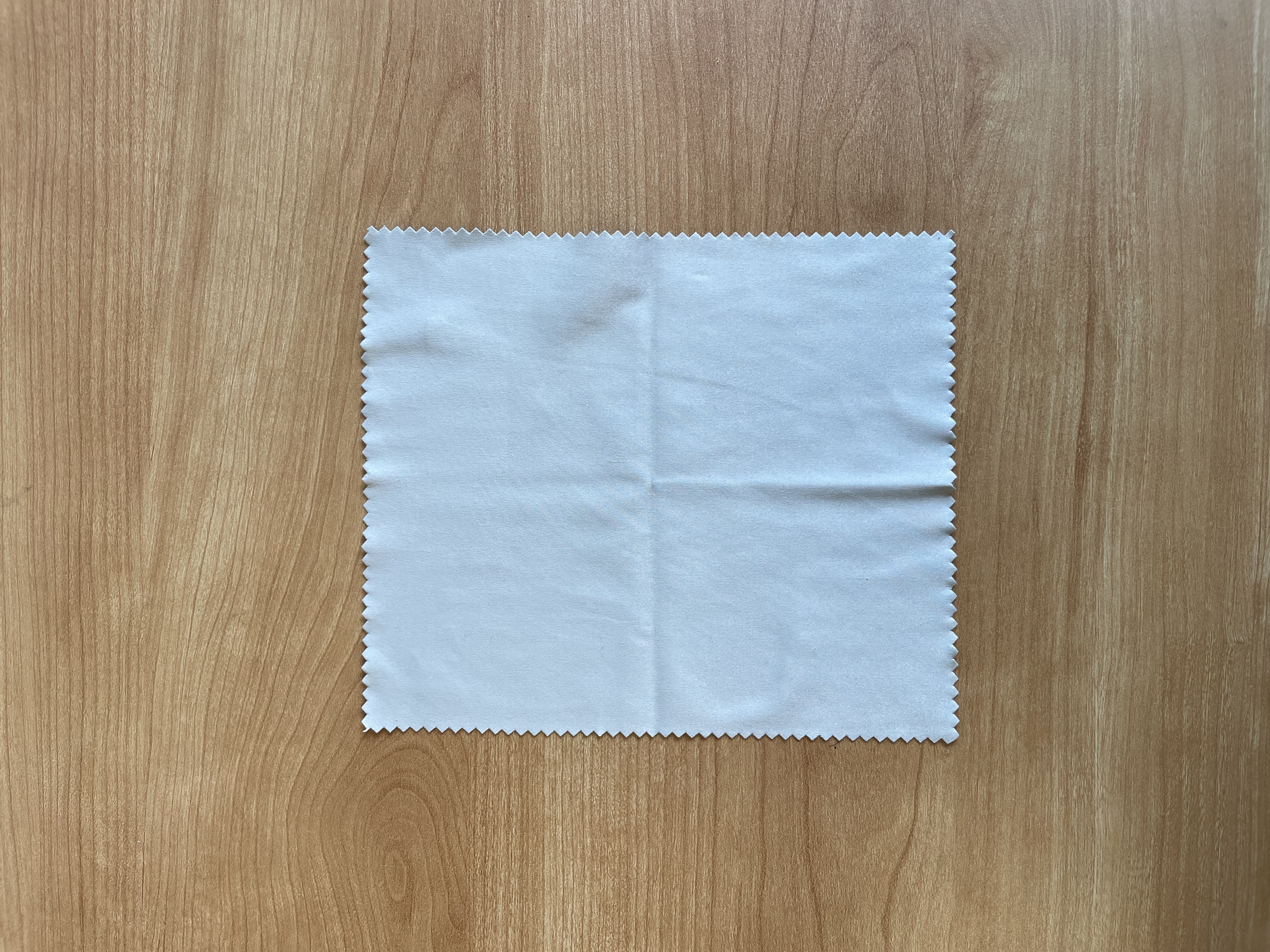
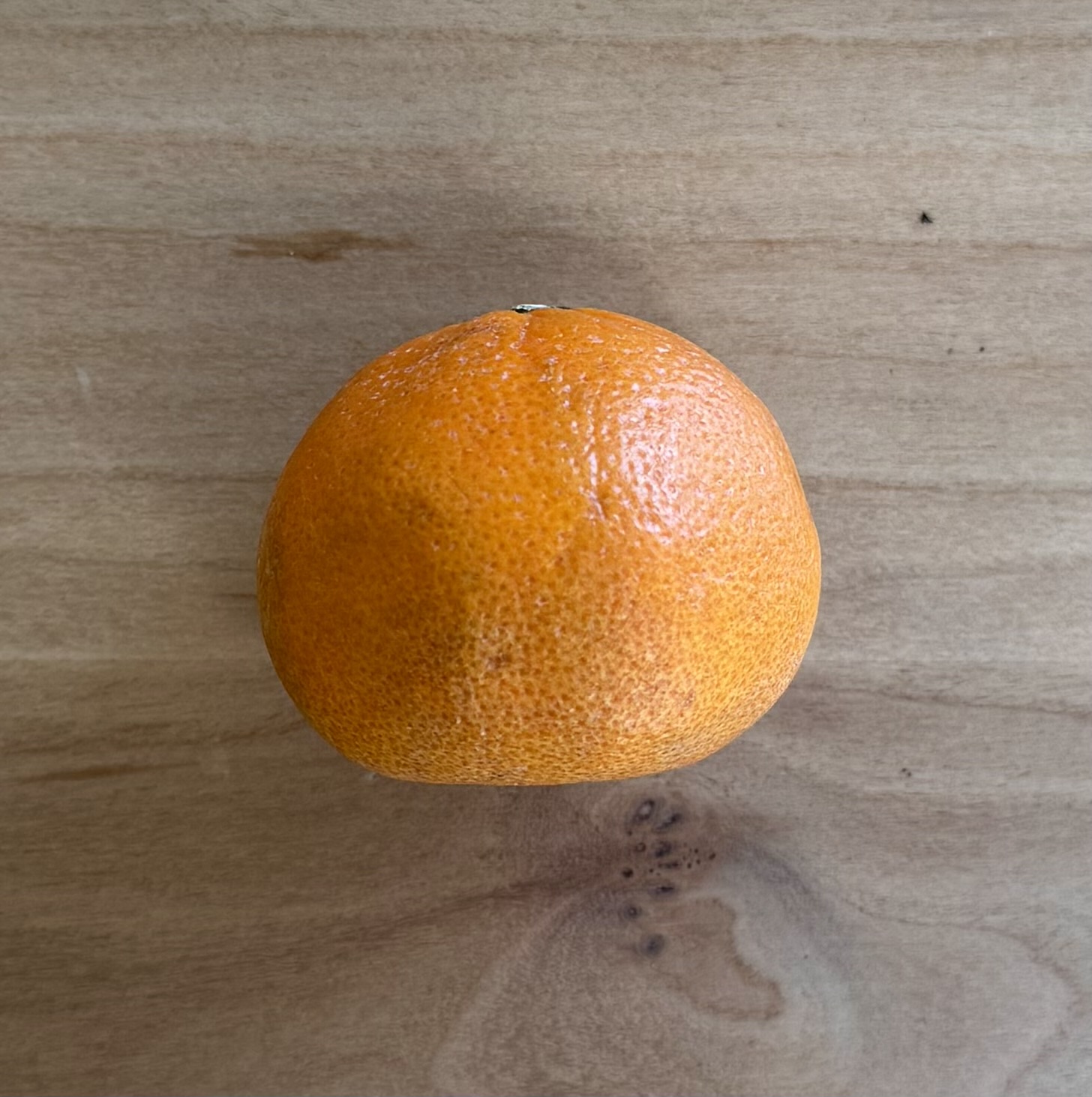
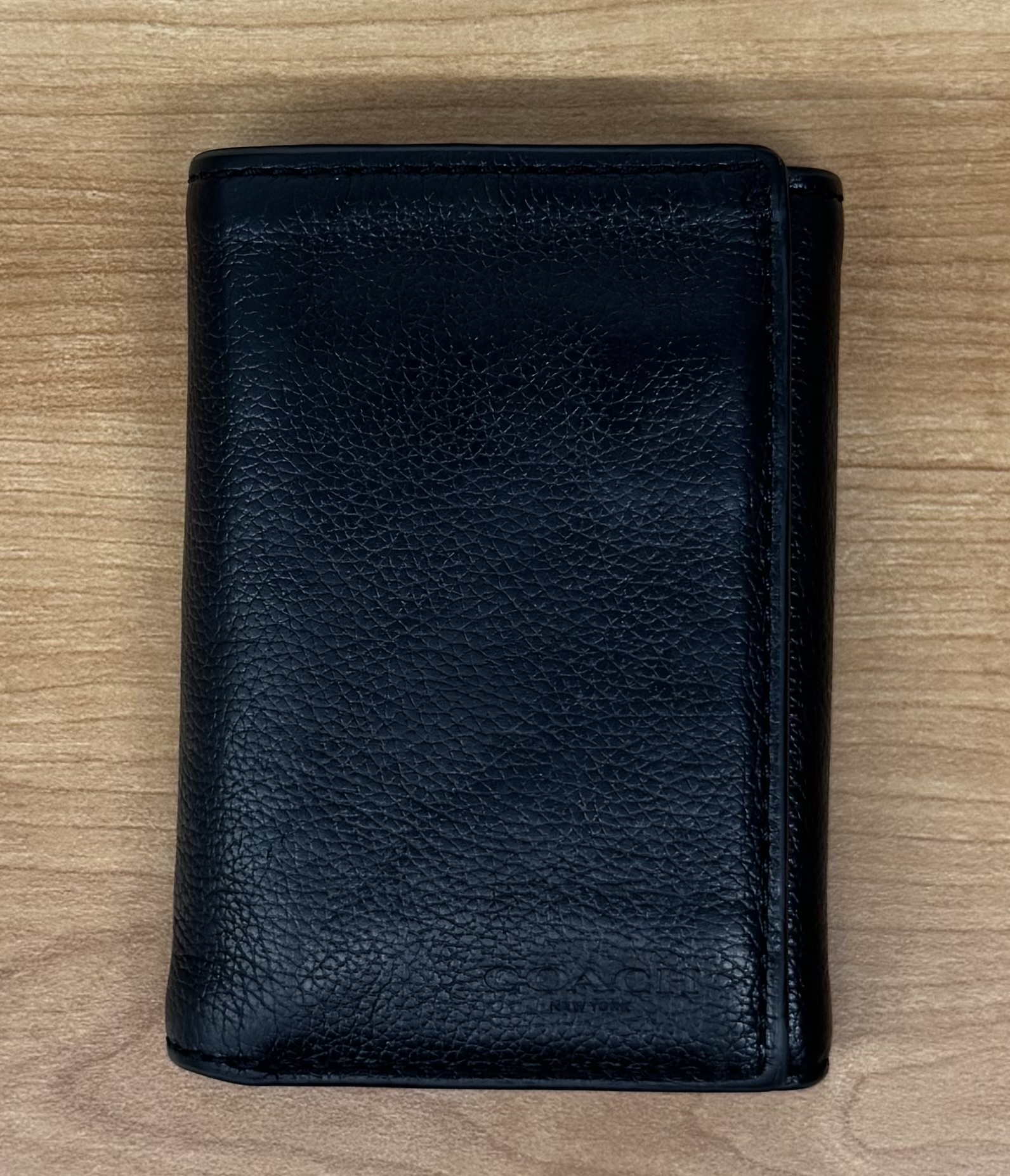
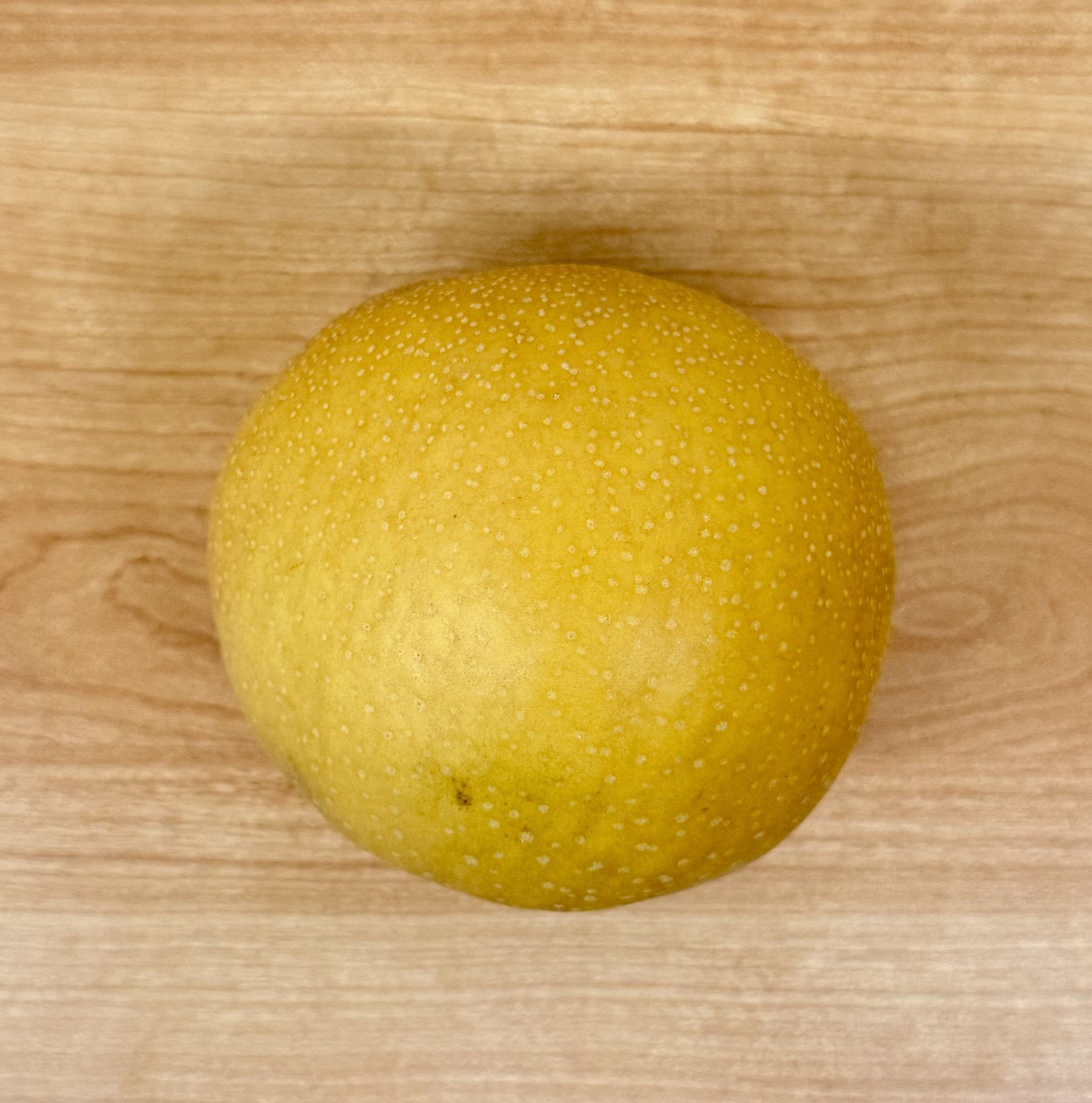

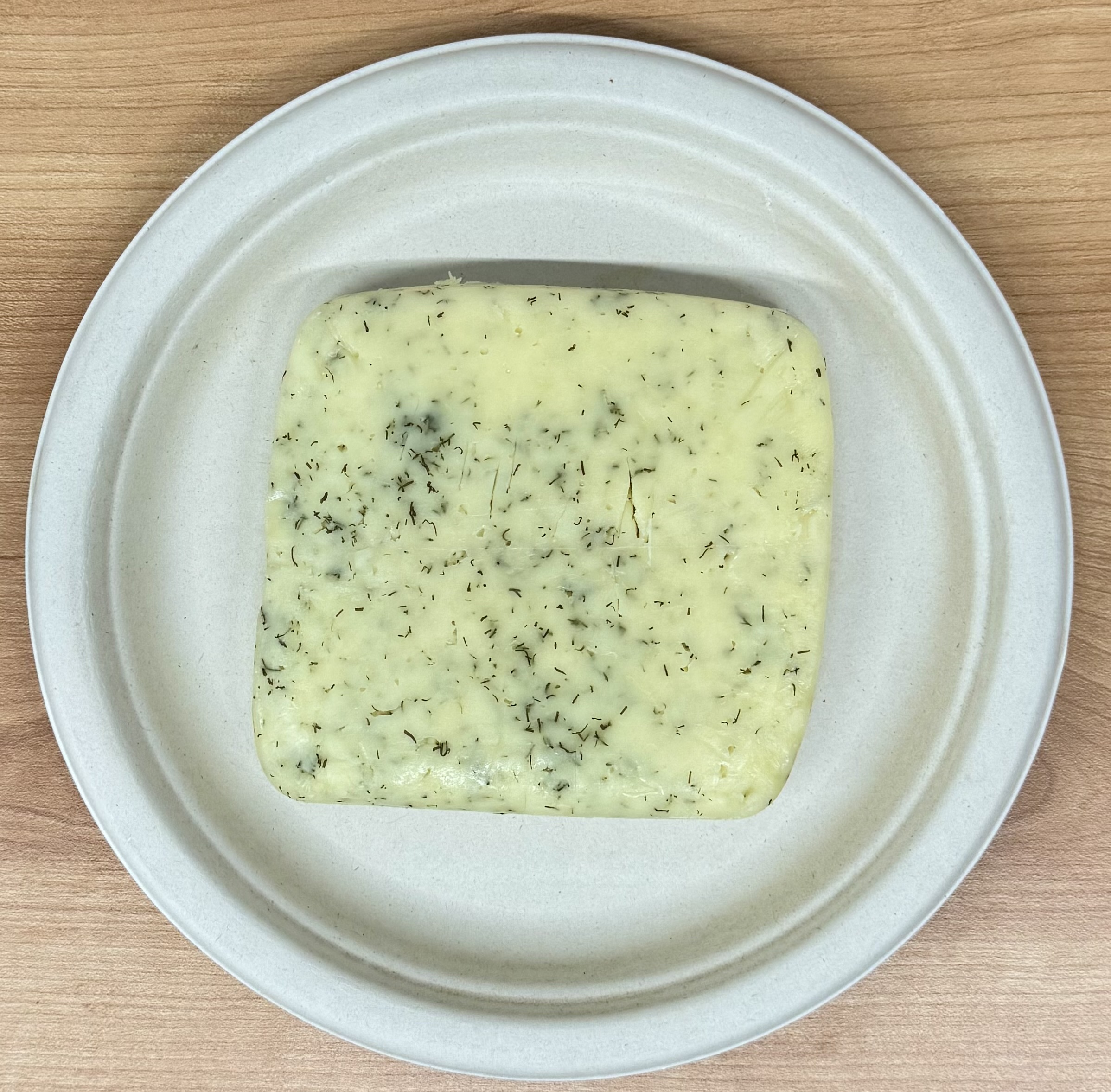
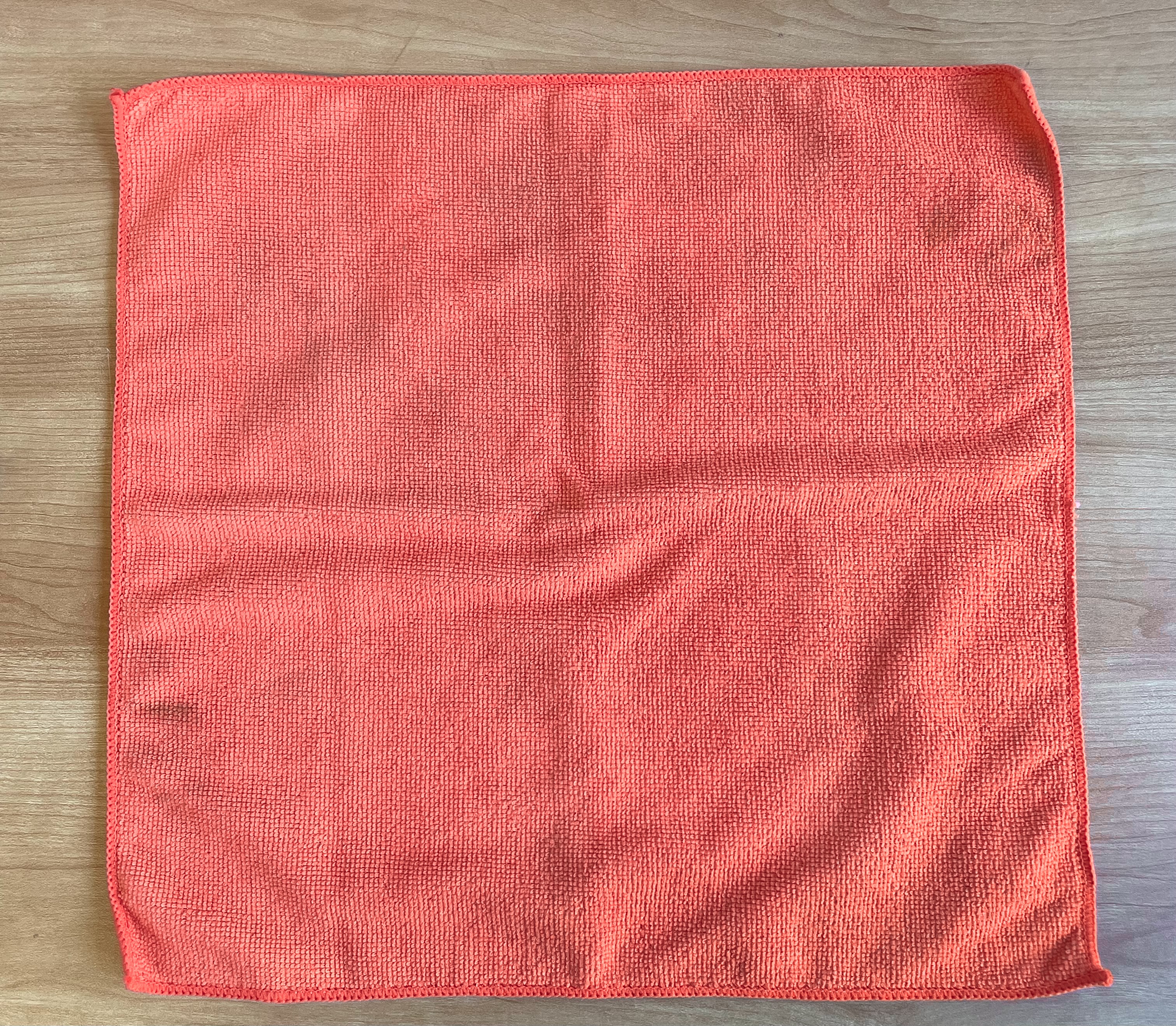
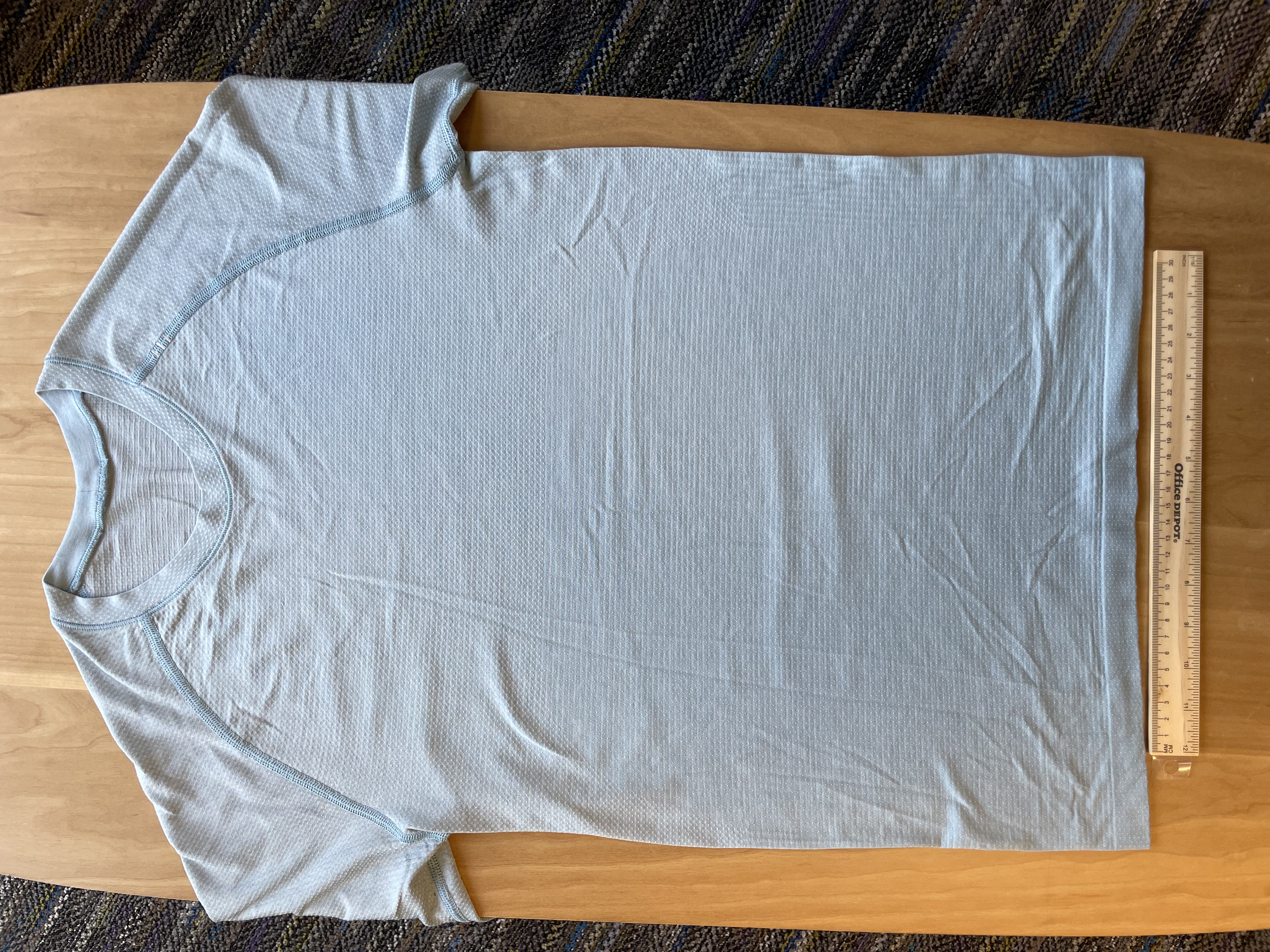
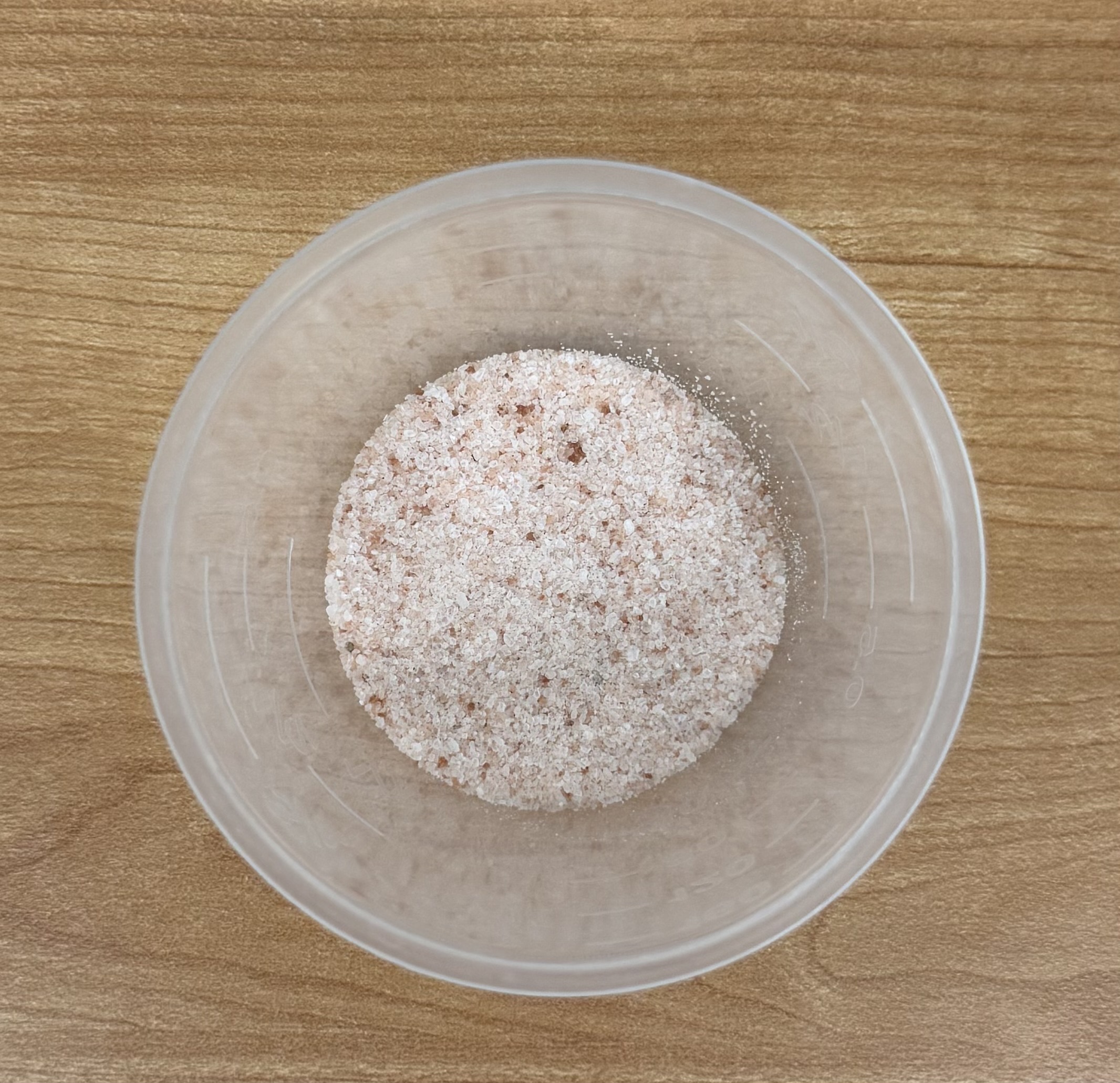
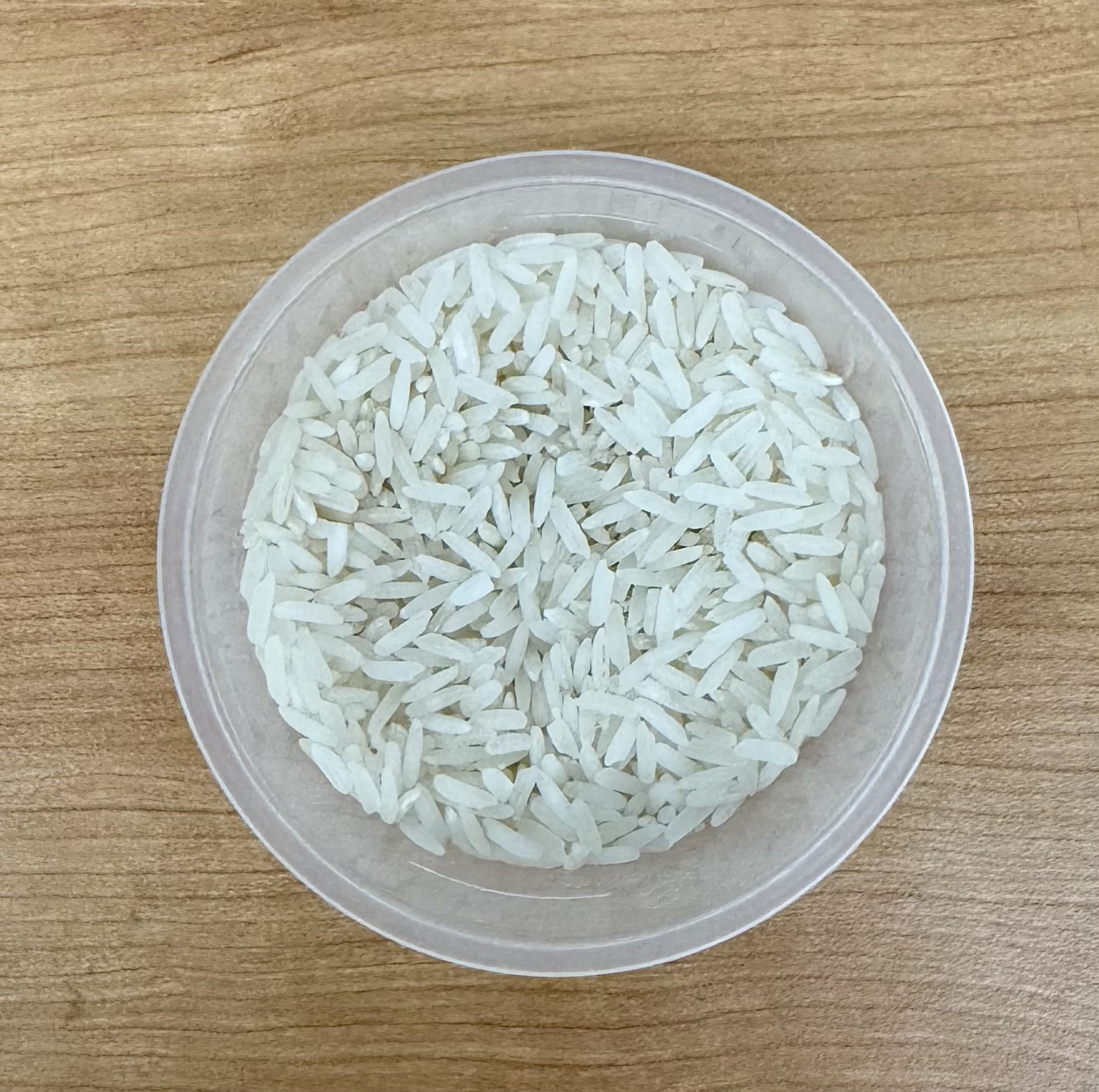
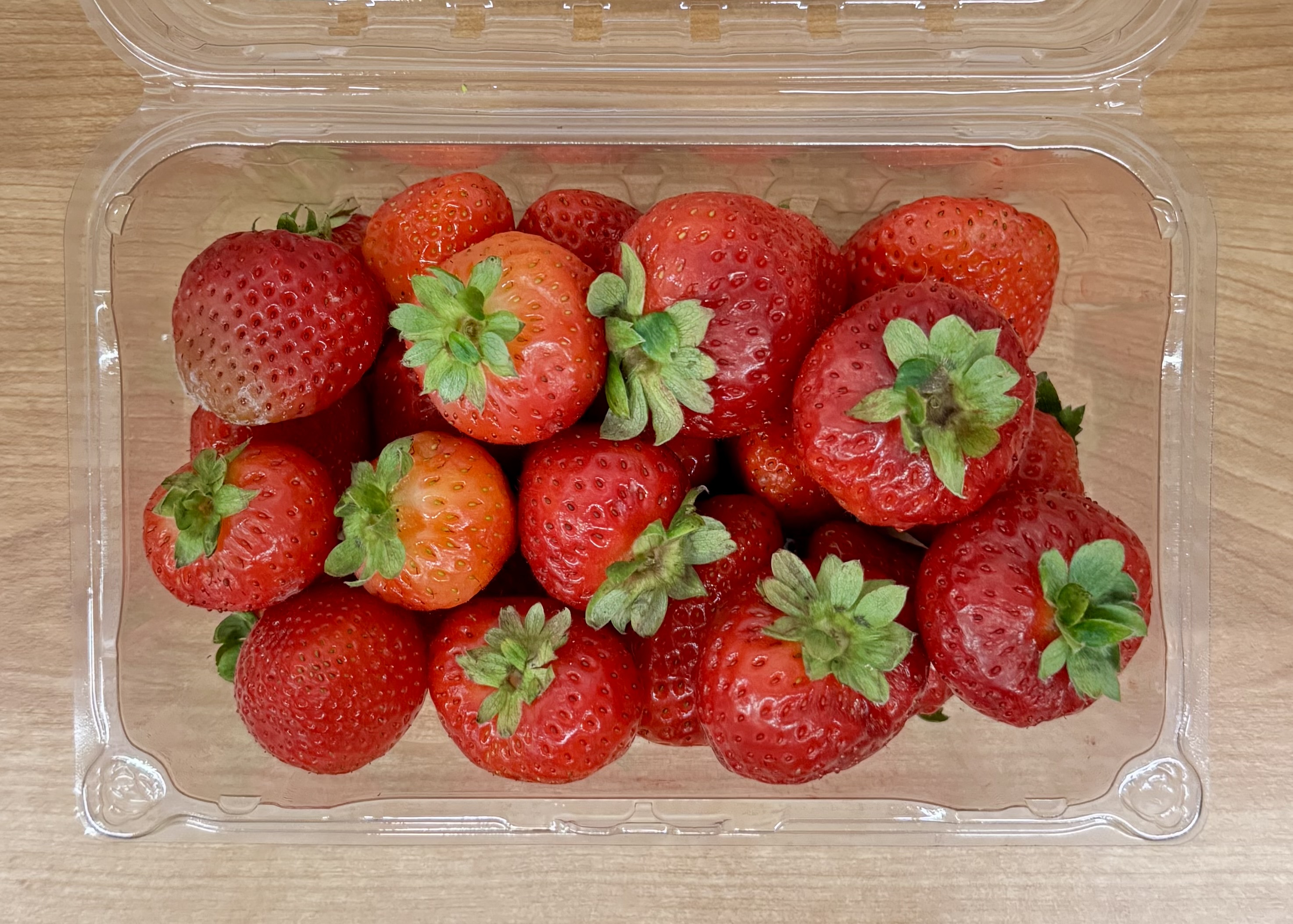
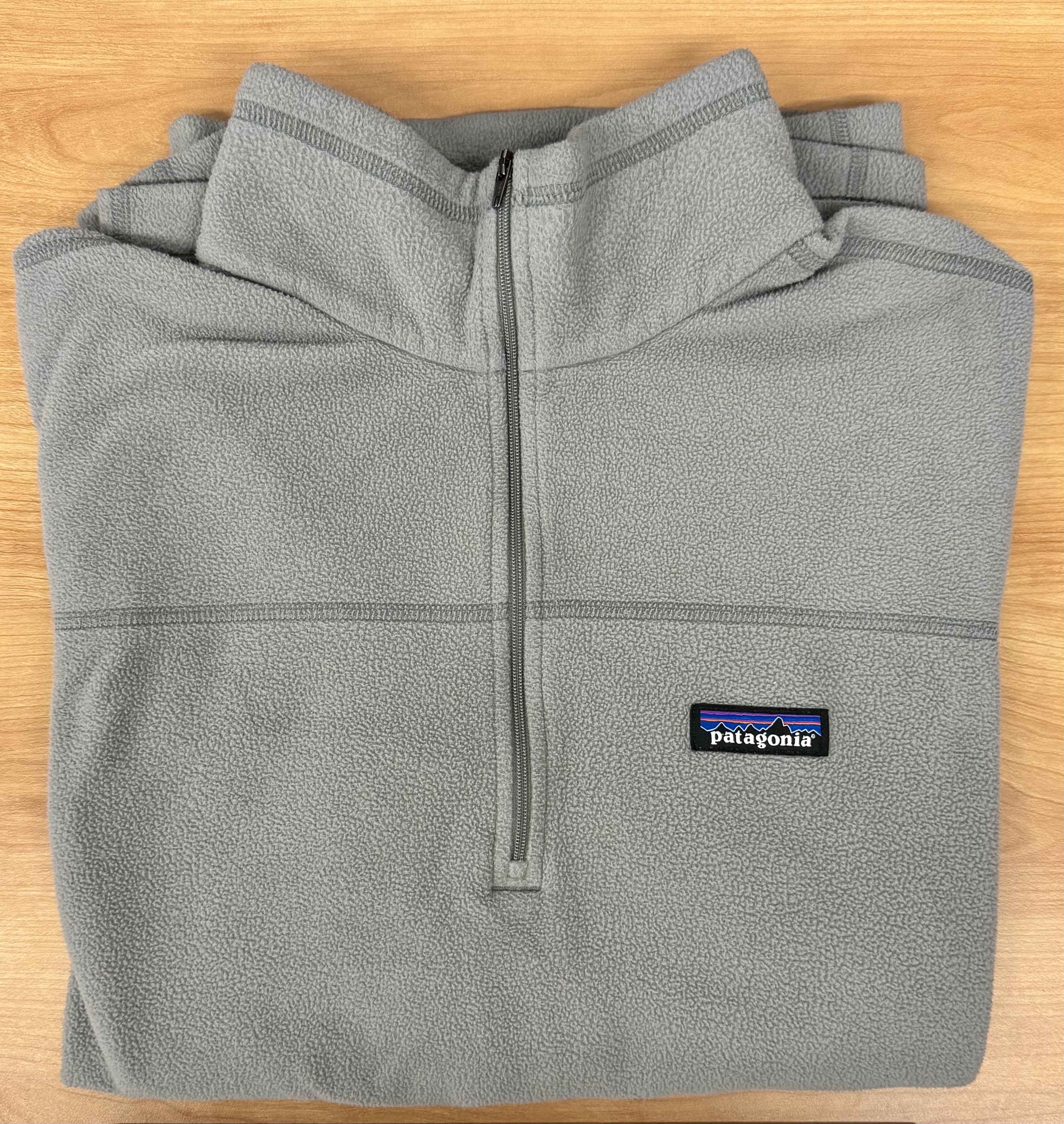
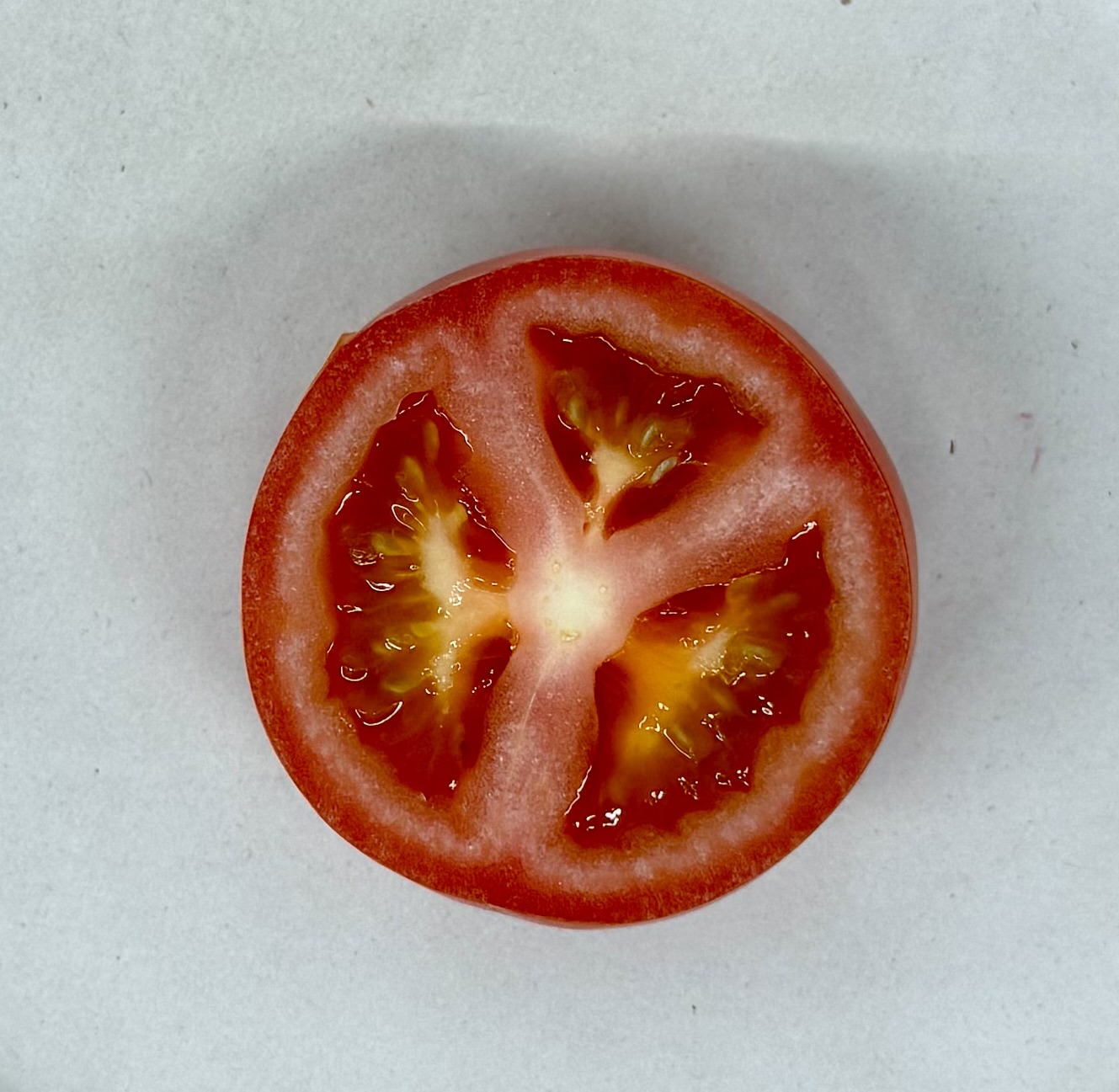
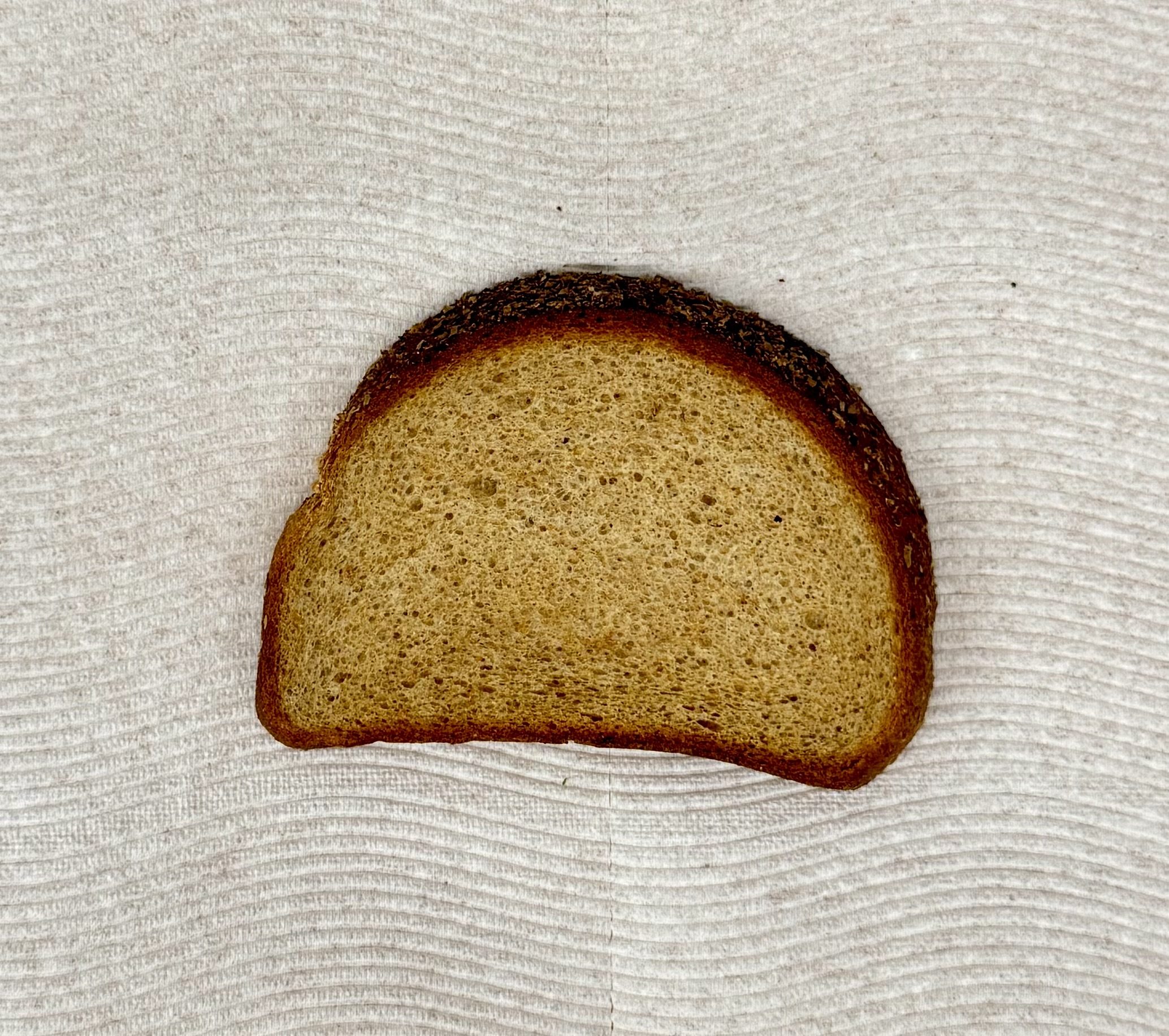
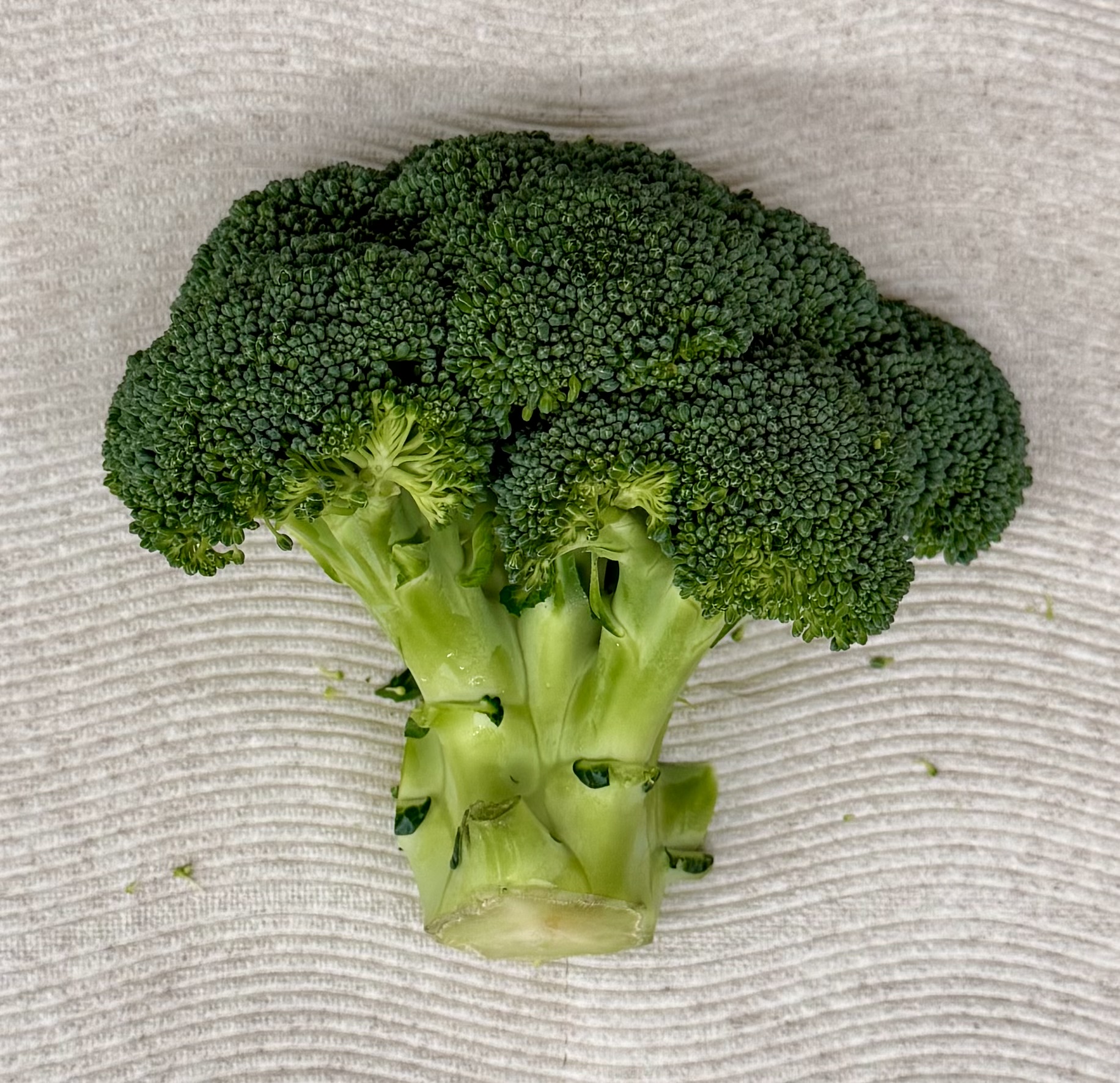
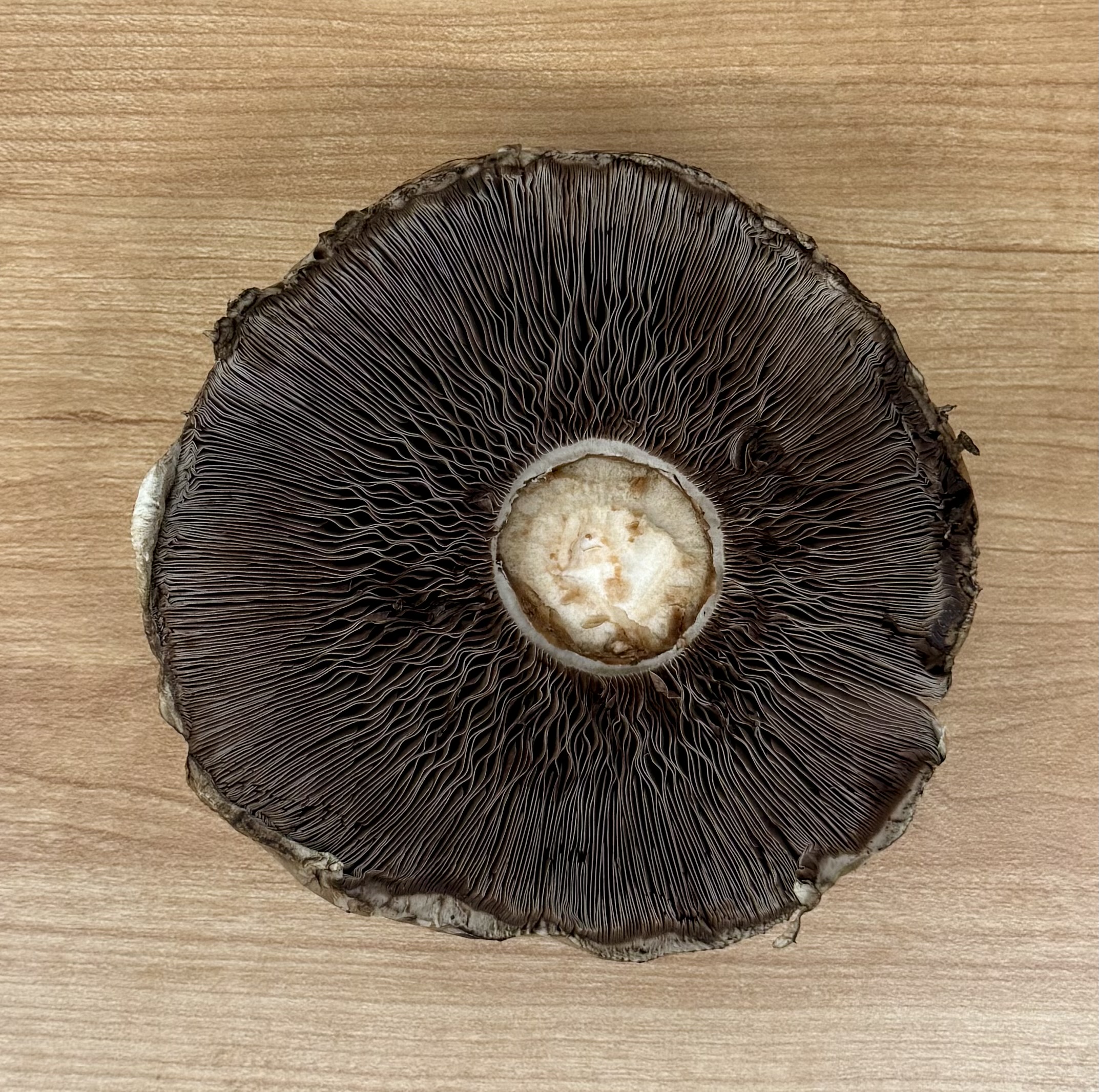
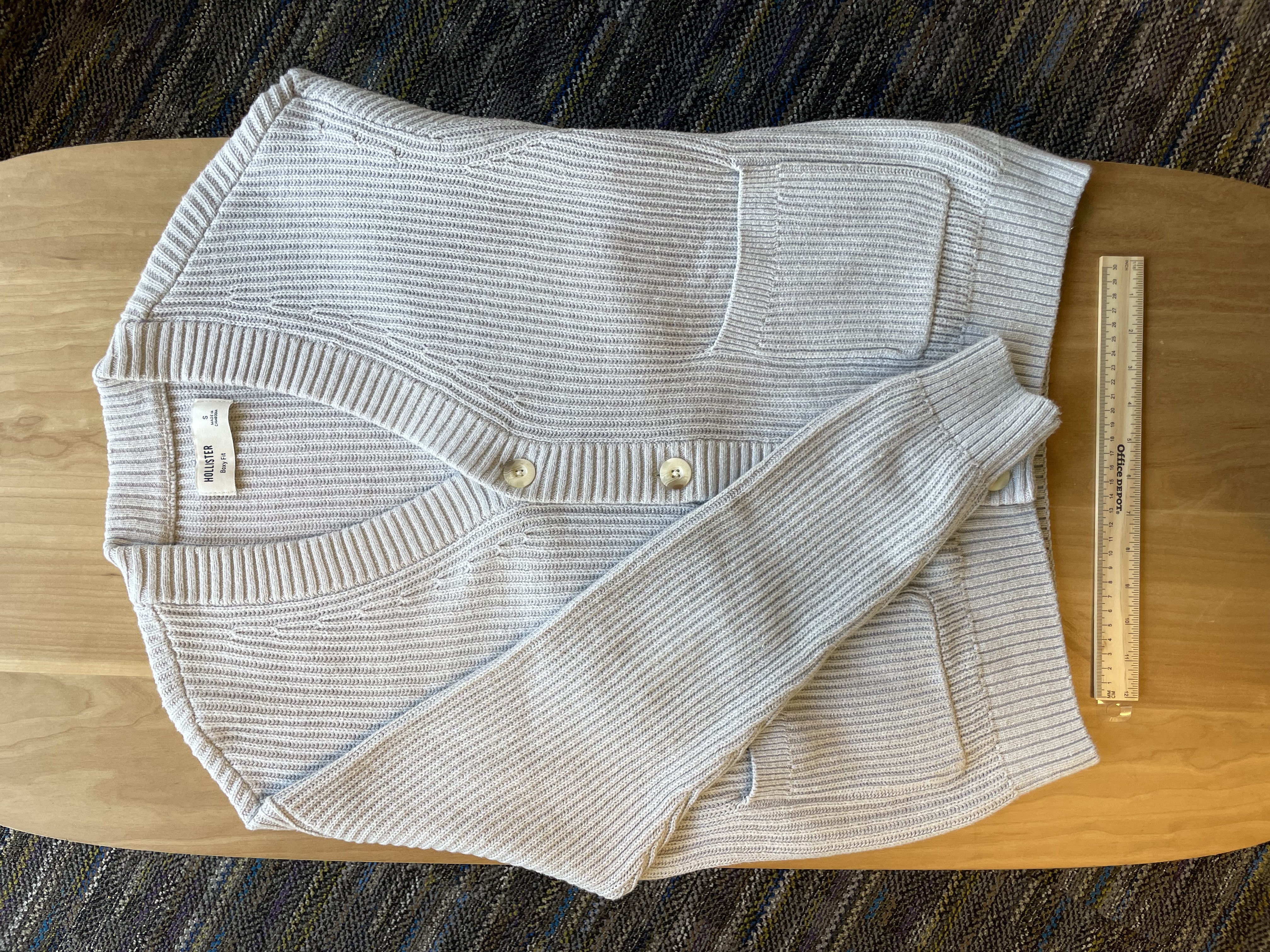
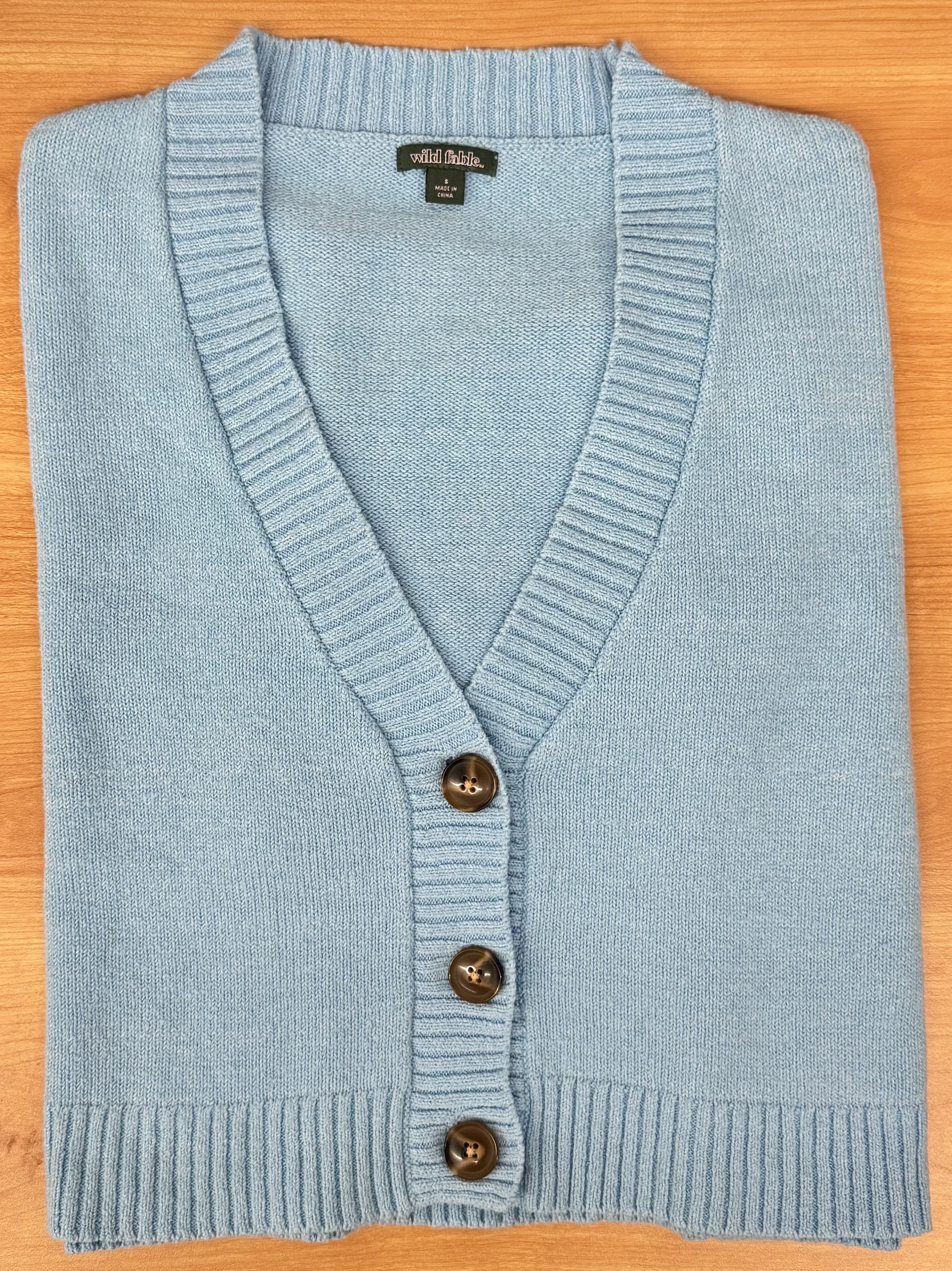

We introduce MicroZoom, a generative framework for gigapixel image synthesis at the microscopic scale. Given a standard photograph and a sparse set of consumer-grade microscope close-ups, MicroZoom synthesizes a seamless, gigapixel-resolution image grounded in the material character of the real references, enabling exploratory visualization of microscopic texture across the full spatial extent of an object. Our goal is plausible synthesis, not exact reconstruction. We focus on full-image, reference-based, extreme-scale super-resolution at magnification levels of up to 350×, a setting that introduces two major challenges: (1) recovering texture-specific detail from highly lossy inputs near ambiguous material boundaries, and (2) preserving correct large-scale pattern structure, such as the repeating geometry of a fabric weave, across millions of local predictions. We address these with a two-stage cascaded design, where the first stage recovers global pattern coherence and the second refines local texture detail, supplemented by a segmentation mask to guide synthesis at ambiguous boundaries. We verify our approach on a collection of self-captured everyday objects and demonstrate globally coherent, materially grounded gigapixel imagery.
Our framework consists of three stages: Dataset Construction, Per-Instance Fine-Tuning, and Gigapixel Inference.
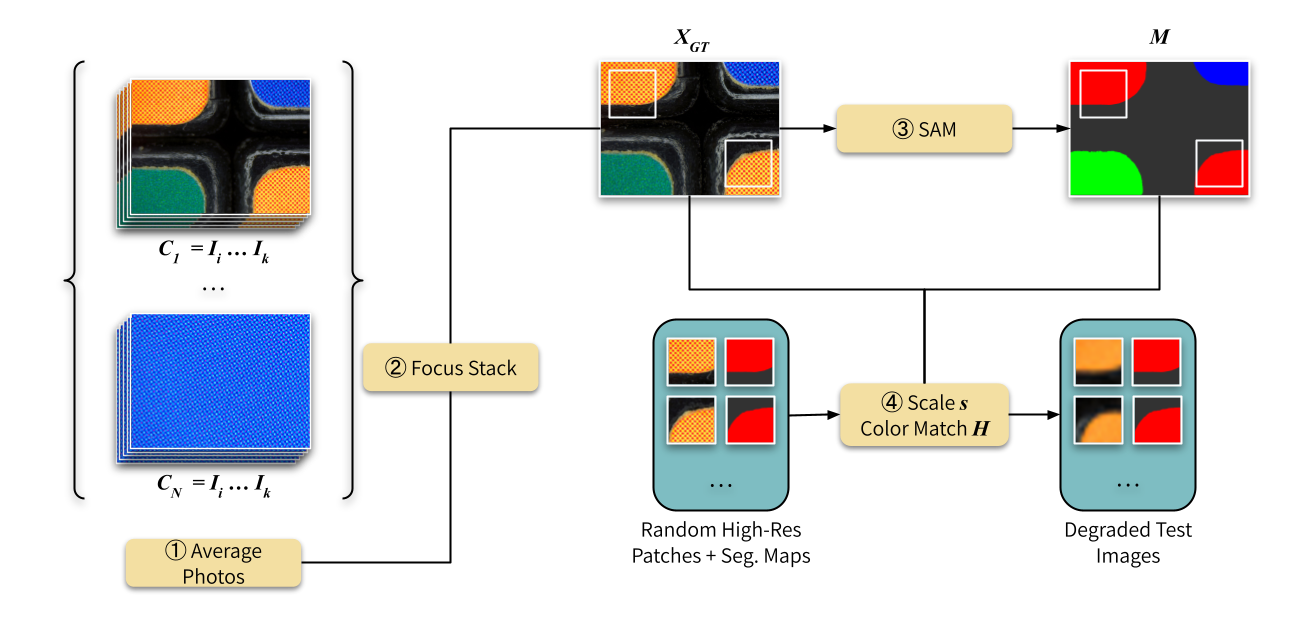
We capture a single full-view image using a standard smartphone camera alongside N close-up images of specific regions with a digital microscope. Because high magnification introduces extremely shallow depth of field, each microscope view is built from a focus stack: we capture K frames at varying focal distances, average burst frames to reduce sensor noise, align the stack with SIFT keypoints, and fuse planes via Laplacian Pyramid Fusion to produce a single all-in-focus close-up.
To construct pixel-aligned training pairs, we derive the relative scale factor s from per-capture pixel density measurements, match color histograms between the close-up and the corresponding full-image region, then synthesize the low-resolution input via bicubic downsampling. For multi-material objects, we run the Segment Anything Model (SAM) on each close-up to generate segmentation masks that will guide synthesis at material boundaries.
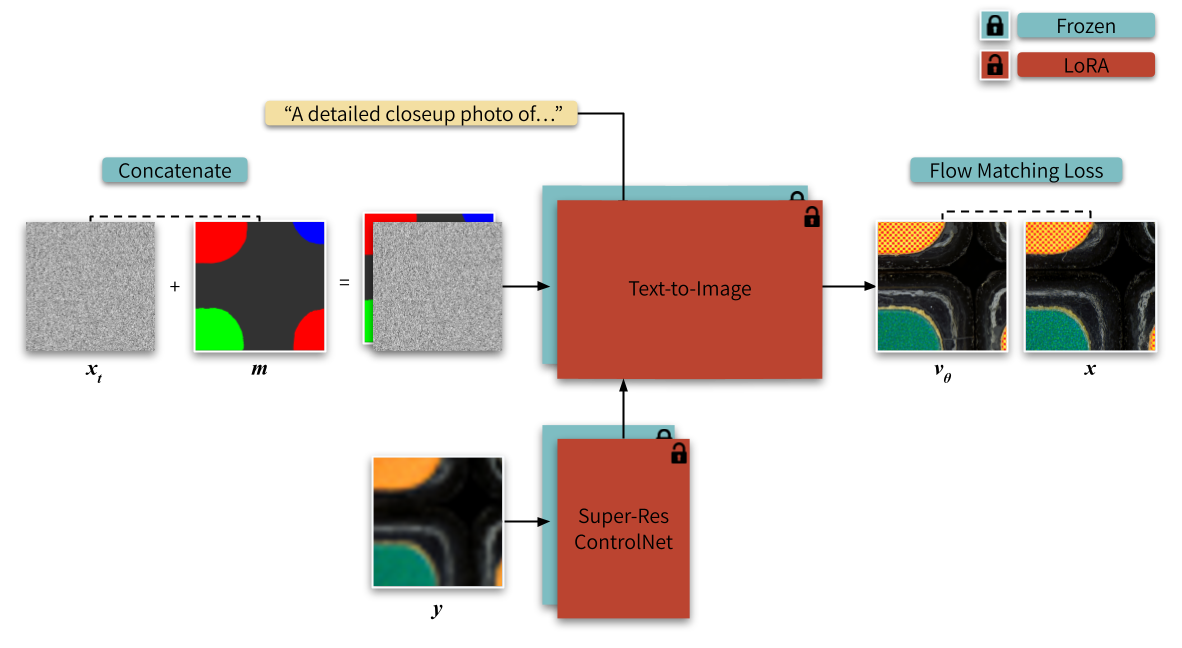
A single-stage upscaling model at extreme magnification lacks the spatial context to infer large-scale pattern regularity. We adopt a cascaded approach, decomposing the total scale factor s into two sequential stages s = s1 × s2. The first stage recovers global pattern coherence at a coarser resolution; the second refines local texture on the now-structurally sound canvas.
Both models are fine-tuned independently. We freeze the pretrained Flux.1-dev transformer weights and inject LoRA adapters (rank r = 32) into the attention layers, binding a rare identifier token to each instance. Structural alignment is provided by a ControlNet adapter conditioned on the low-resolution input; material boundaries are enforced by concatenating one-hot segmentation masks directly to the noisy latent along the channel dimension. A conditioning warm-up trains on segmentation alone for 1,000 steps before enabling the ControlNet for the final 1,000 steps.

At inference the full image is bicubic-upsampled to the target gigapixel resolution. We apply MultiDiffusion with a variable-stride sliding window: tile stride is small at early denoising steps for global coherence and increases at later steps for fine detail. Overlapping tile predictions are aggregated with Gaussian blending, eliminating seam artifacts at boundaries. The two cascade modules are applied sequentially to reach the final output resolution.
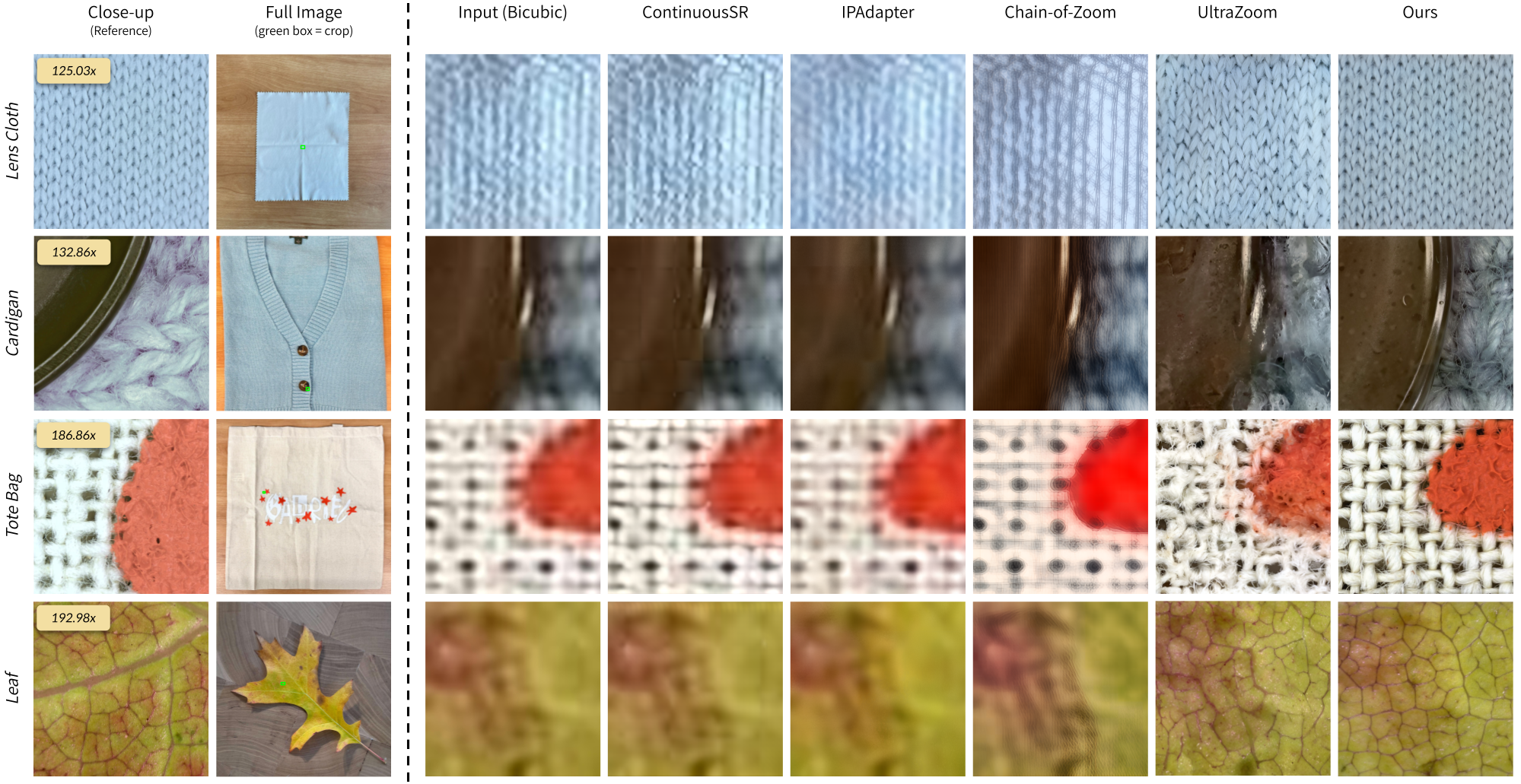
We compare MicroZoom against four baselines spanning feed-forward and per-instance paradigms. Rows are ordered from lowest to highest magnification. For each example we show the full image with the queried region highlighted, bicubic-upsampled input, outputs from each baseline, and our result.